

Blocked drains are a common household problem that can be frustrating and inconvenient to deal with. It happens to everyone at some point – you turn on the tap, flush the toilet or start doing dishes, only to find out that the water is not draining properly. This might be a sign that your drain is blocked and requires immediate attention. But fret not, as there’s more info on how to tackle this issue in the most efficient and positive way!
What Causes Blocked Drains?
The first step in unblocking a drain is understanding what causes this problem in the first place. The most common cause of blocked drains is the accumulation of foreign objects such as hair, grease, soap scum, food particles, and even small toys for those with little ones at home. These materials can build up in the pipes over time, creating a blockage. In some cases, tree roots may grow into the pipes and cause obstruction.
Signs of a Blocked Drain
If you’re unsure whether your drain is blocked or not, there are a few signs to look out for. The first and most obvious sign is slow draining or standing water in the sink, tub or shower. You might also notice an unpleasant odor coming from the drain due to the build-up of waste. Gurgling sounds in the pipes when using other plumbing fixtures can also indicate a blocked drain. If you experience any of these symptoms, it’s essential to take action as soon as possible to avoid further damage.
The DIY Approach
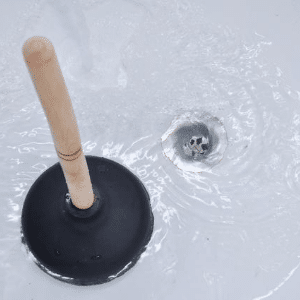
Before calling a plumber, you can try to unblock the drain yourself with some simple tools and techniques. One method is using a plunger – create a seal around the drain and plunge vigorously until the blockage is dislodged. For tougher clogs, a drain snake or auger can be used to reach further down the pipe and break up the obstruction. You can also try using baking soda and vinegar. Simply pour half a cup of baking soda down the drain, followed by half a cup of vinegar. Let it sit for 15 minutes, then flush it with hot water.
When to Call a Professional
If you’ve tried the DIY approach and the drain is still blocked, it’s time to call in the experts. A professional plumber has the necessary tools and expertise to deal with stubborn blockages that you may not be able to tackle on your own. They can also use a CCTV camera to inspect the pipes and identify the exact location and cause of the blockage.
Preventing Blocked Drains
As they say, prevention is better than cure, and this applies to blocked drains as well. To avoid future blockages, there are some simple preventative measures you can take. Use a drain strainer or hair catcher in the shower and sink to trap any debris. Avoid pouring grease and oils down the drain as these can solidify and cause blockages. You can also schedule regular maintenance with a professional plumber to check for any potential issues and keep your drains in top shape.
A Positive Outcome
The silver lining of dealing with a blocked drain is that once the issue is resolved, you’ll enjoy efficient drainage and worry-free plumbing. It’s also an opportunity to practice patience and learn some basic plumbing skills. Plus, by taking care of your drains regularly, you can save money in the long run by avoiding costly repairs.
In conclusion, dealing with a blocked drain might seem like a hassle, but with the right approach, it can be a positive and straightforward process. By understanding the causes and signs of blockages, trying some DIY methods, and knowing when to seek professional help, you can unblock your drains with ease. Remember to also take preventative measures to keep your drains in good condition. With this more info, you’ll be equipped to tackle any blocked drain that comes your way!


